Very often, when difficult situations have an impact on organisations, people feel uncomfortable, solutions do not make everyone happy and some people feel they did not get any benefit or learn anything from it, they believe the whole situation was a waste of time and resources, and become sceptical about processes, methods and future solutions.
This has happened to all of us. The more complex the world becomes, the more tired and less committed we are. Simply human. We all want to see things go well, have a nice coffee with our teammates and be proud of our work well done. Achievements are important. Satisfaction is very motivating.
In our experience, we believe that when solutions are not able to make a chain reaction, they have not been approached in a systemic way but as remedies to symptoms. This happens a lot to doctors for example. You go to the doctor with a strong headache, tell them how much it hurts and how long you have had it and how worried your family is about it. They give you a prescription for an analgesic, and make some recommendations about your rest, diet and stress management. You follow instructions and take your medicine, the pain goes away, problem solved. But two weeks later you got another headache. were the analgesic and recommendations a solution? Yes they were, to the syntoms.
But you may ask, do we need a deeper solution? a more profound and radical change? or just another way to approach the same problem? It is normally the latter. And here we insist on two key things: 1. Asking the right question to detect the right problems, and 2. approaching the problems systemically, which means not focusing on the visible symptoms but in the deeper causes of the problem. So just dig deeper.
Having a systemic approach to challenges is detective labour. You need to connect the dots to find pieces of evidence of causes and consequences not exactly of a crime, but for a situation that disrupts company purpose or objectives and may clarify and improve the life of those involved, the services or projects they run and the implementation of business or policy in general. But waht exactly is a systemic approach to a problem?

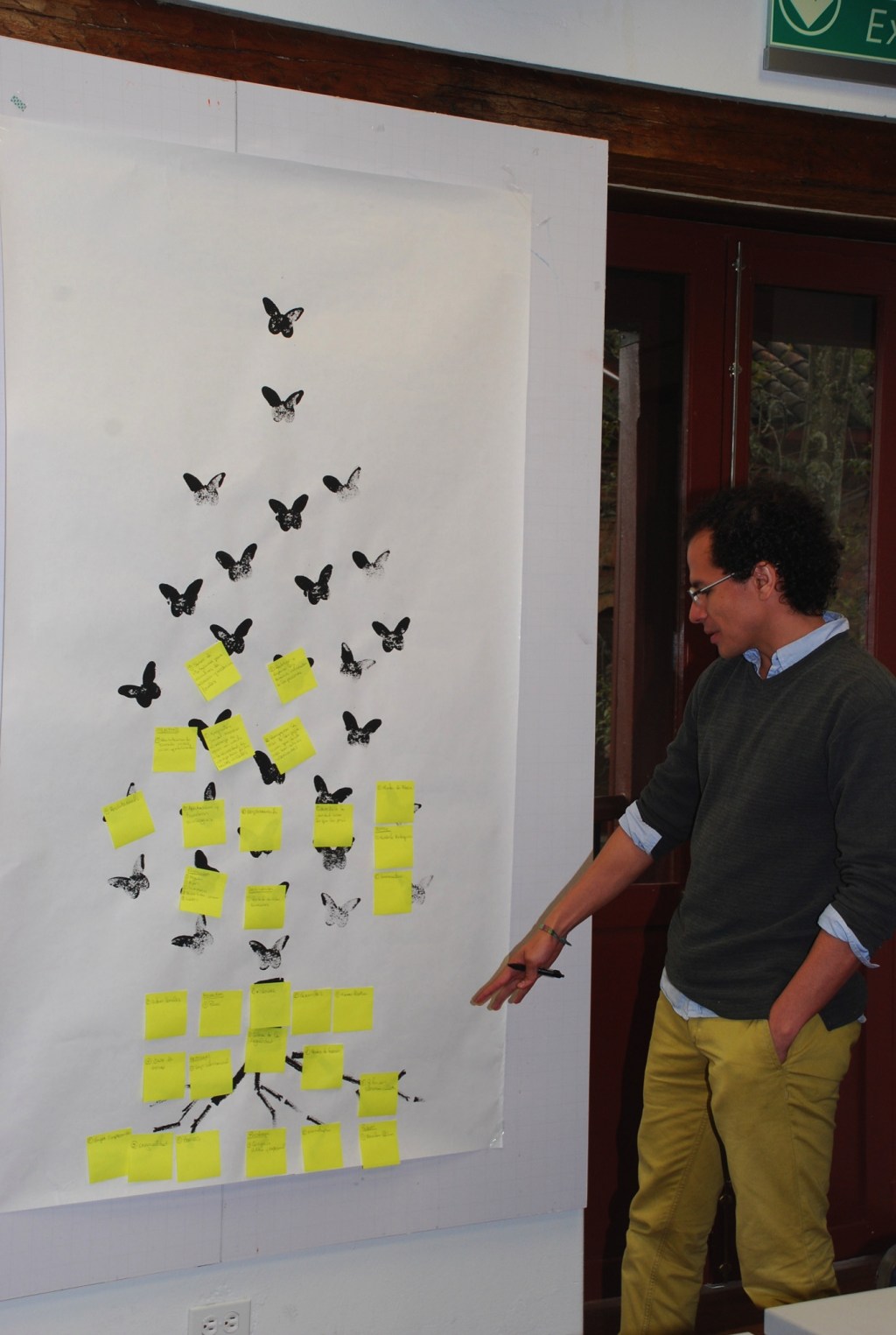
A systemic approach is basically the way you can look at situations or problems. You can look at the visible symptom or connect causes, effects, evidence, actors, places, documents, etc., and trace how the situation or problem may have roots and consequences, beyond what you see. Some years ago, back in 2012, we supported the development of a project that aimed to create a culture of human rights in public institutions within the human rights system in colombia. more than 60 institutions belonged to the system and the government needed a new vision about human rights in the country. But each institution has different approaches, situations and visible sytoms about something as complex as human rights in a country in conflict for more than 60 year. So we started mapping the roots and the fruits of that three, and found forst where they came from and how different situations were related and after that, interesting connections and collaboration oppotunities to solve situations and challenges, appearing across the whole system.
Step 1 : map all the situations connected to the actual situation detected: make sure to include all those that might be causes or consequences.

Step 2: divide causes from consequences and relate them: which ones are deeper roots (causes) and which ones a fruits (consequences)
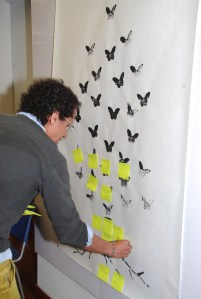

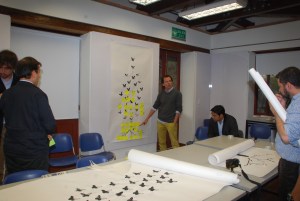

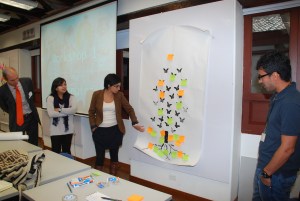
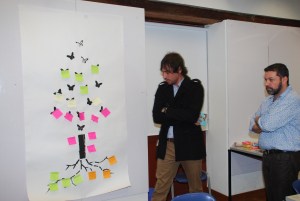
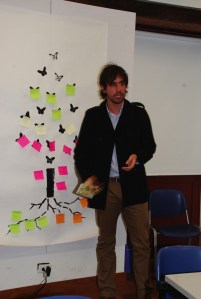

Step 3: identify stakeholders linked to all these situations, examine their capabilities and power and create a strategy to collectively solve the challenge in an articulated way.
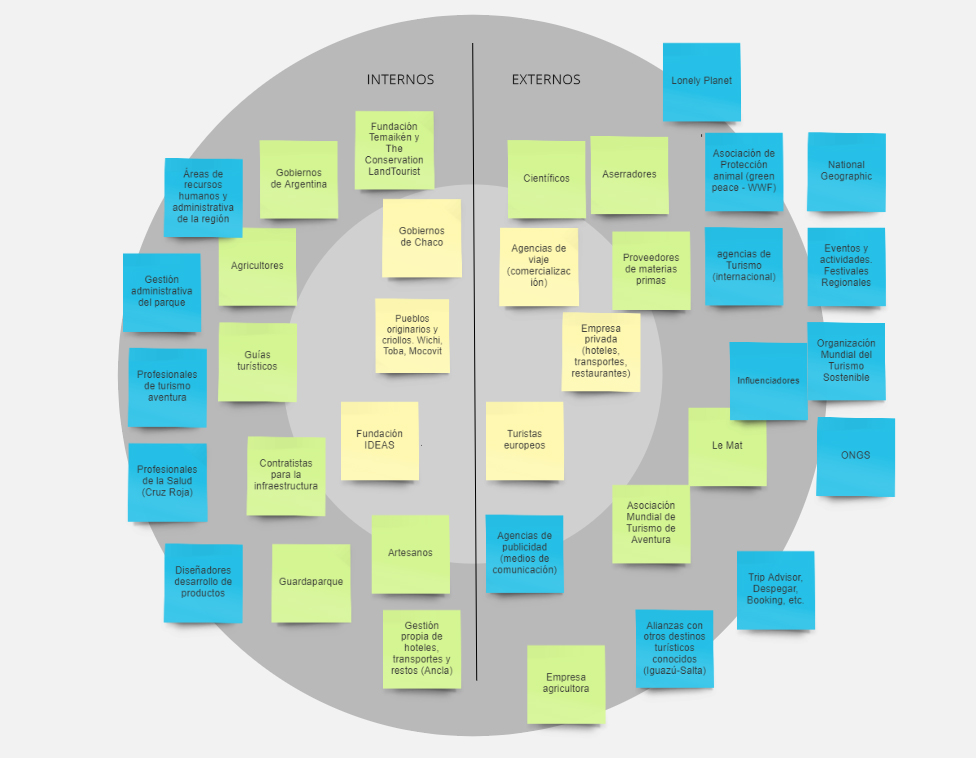
step 4 design solutions that can be implemented by those stakeholders and solve most if not all the situations linked to the problem.
These solutions should act isolated, they should be connected and articulated through an action plan that will be developed in a different post. The groups of solutions developed in any systemic design proposal correspond to an ecosystem of solutions integrated into the general or annual strategy of your organisation, policy or community.
For more examples and cases about systems approach check our courses and portfolio of projects.

 Certification for Work Skills and Complex Problem Solving
Leave a comment